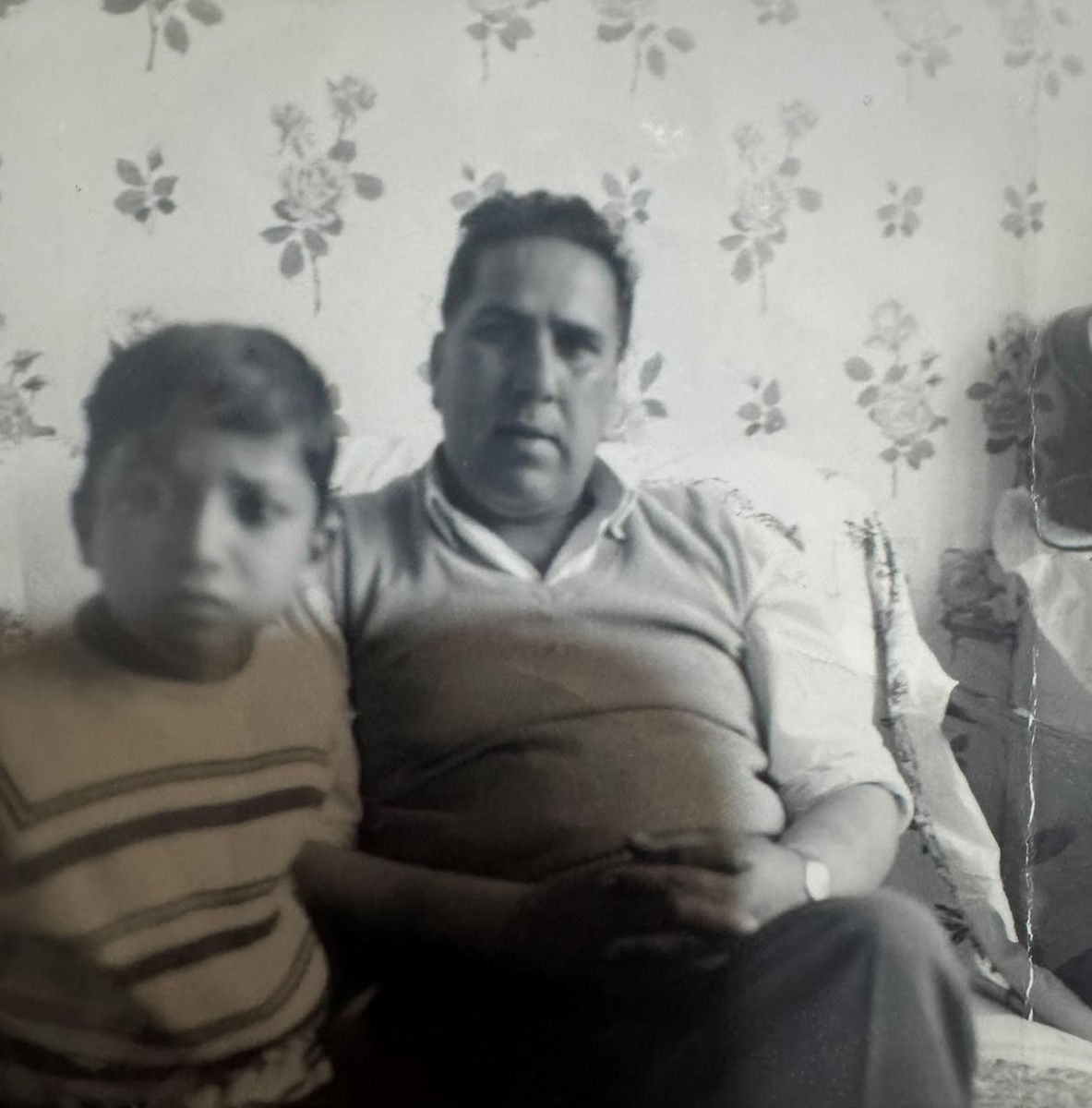
The Founders
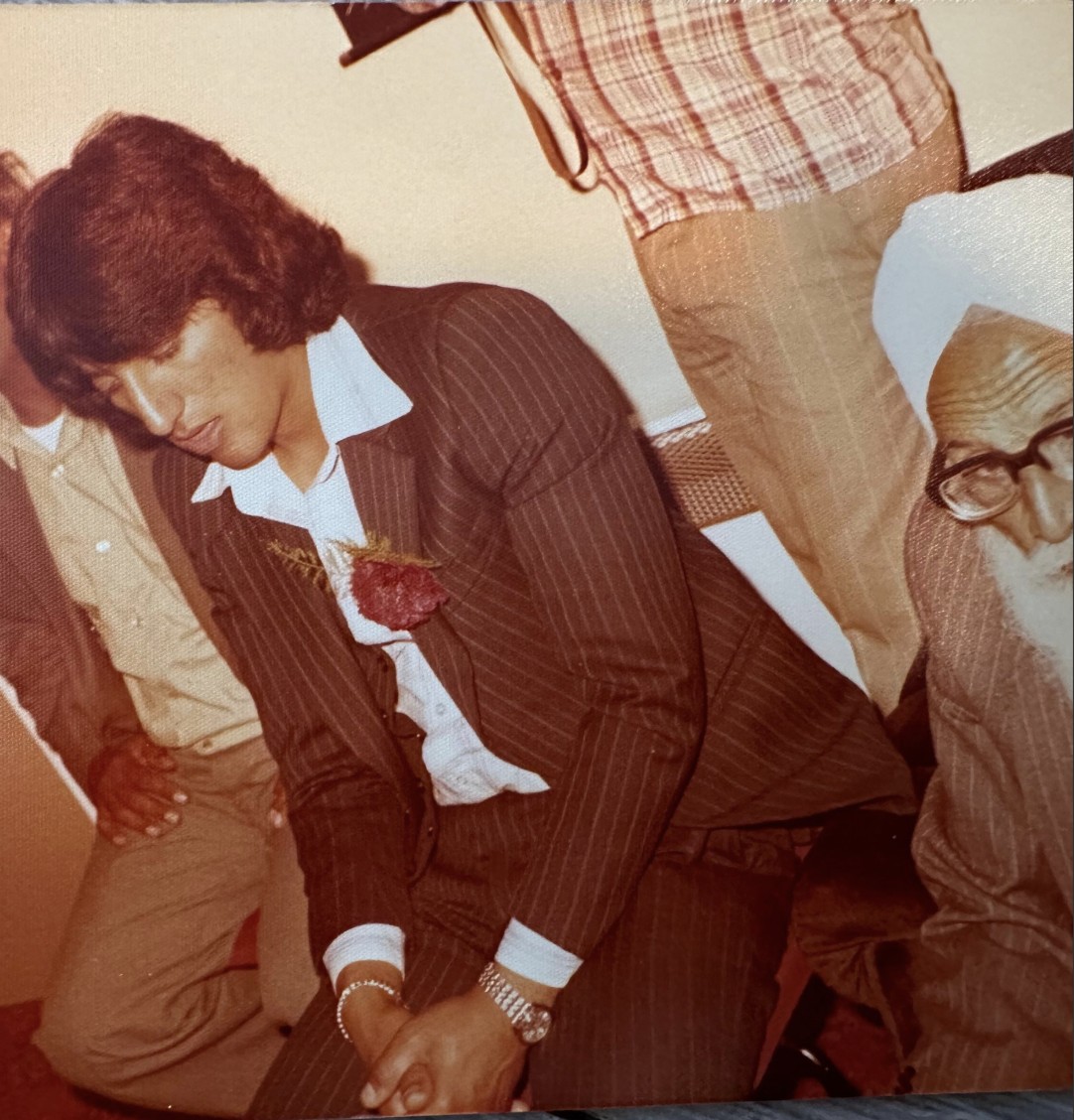
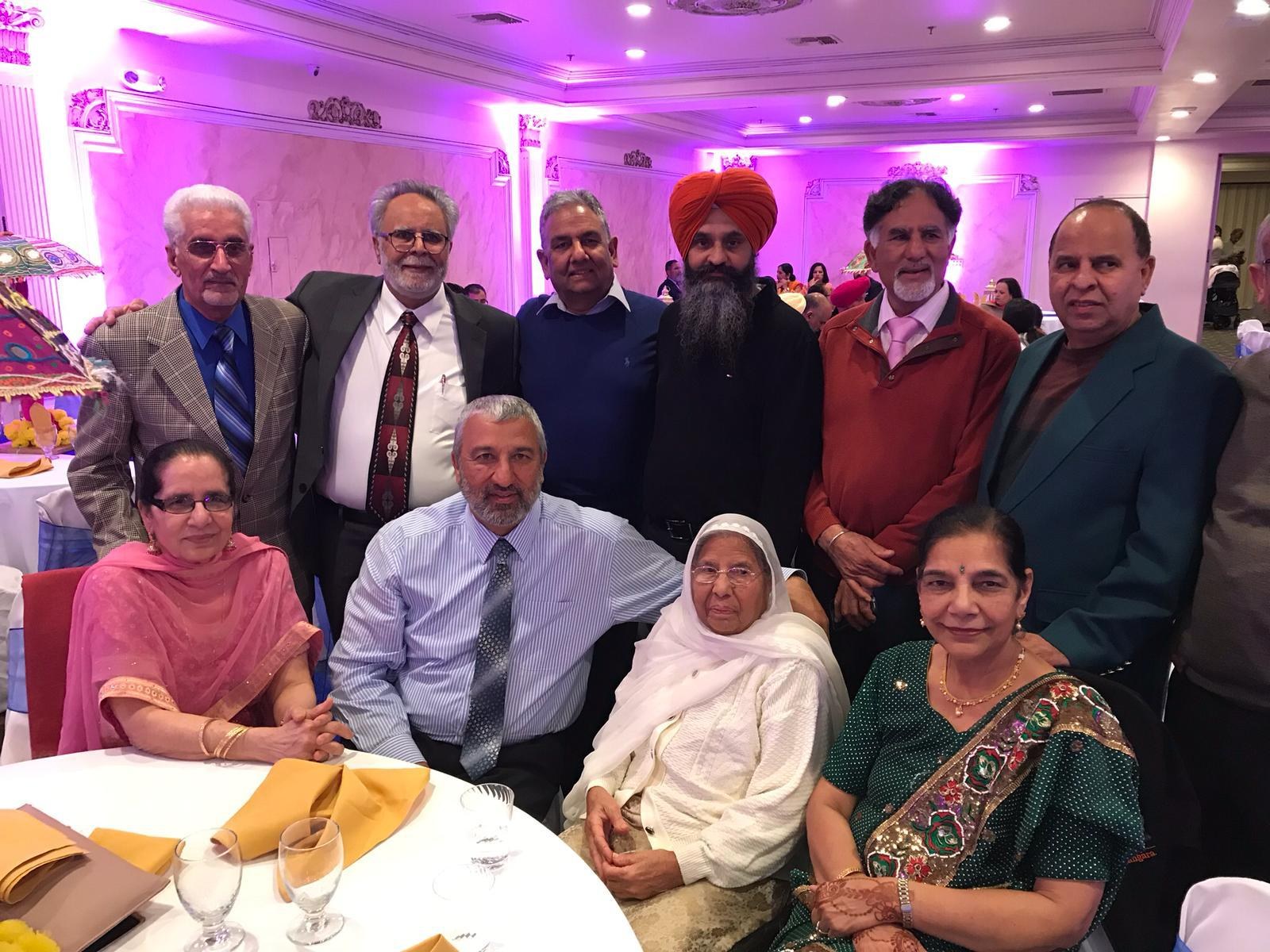
It starts with Arjan Singh Sandhu and his wife, Eesri — and carries on through their son Chanda and daughter-in-law Nami Kaur, who built on what they began.
The Businessman Nobody Saw Coming
Every family's story has to start somewhere. This one starts with a farmer named Arjan Singh Sandhu, born in the village of Jajja Kalan, Punjab, in 1875 — the earliest person anyone in this family can actually name. Every branch on this website, every name on the tree, every place this family has since scattered to, traces back, one way or another, to him.
"No, we don't know before Arjan," Nirmal says, when asked if there was anyone before him. What the family knows only goes back that far, and no further.
At that time, surnames barely came up at all in Jajja Kalan, because the whole village shared one — the Sandhu name. By Surinder's estimate, something like eighty percent of the village carried it, making it useless as a way of telling anyone apart. People identified each other instead the way villages of that kind usually did: not "Sandhu," but "Surinder Singh, son of Lachman Singh." It was only once the family dispersed across countries, among people who weren't Sandhus by default, that the name itself became something worth saying out loud.
Common as the name was, Arjan still managed to make his own stand out. He never went to school, and couldn't read or write — yet by every telling, he became one of the richest men in the pind [village].
"For our great-grandfather to become a businessman, without any role models — we as farmers, we don't do business, we do farming," Surinder says. "How he went into it is a big question. It's a big credit to his thinking." The family's best guess is that Arjan fell in with merchants in the city and decided, entirely on his own, that the real money wasn't in the fields — it was in trading what came off them. He started by buying crops directly from farmers before they reached market, storing them, and selling once prices rose. With that money, he started lending — at interest. He's also remembered to have traded in stocks and shares, on top of everything else — a surprising detail for a man who never learned to read at all.
Much of what people borrowed from him was for exactly the kind of occasion that couldn't wait — marrying off a son or daughter was one of the most common reasons. "When the interest goes up and they can't pay it," Nirmal explains, "he would take some other thing instead." A debt left unpaid meant he'd take the animal — the family's only buffalo, in one remembered case — while its owners cried and begged. "Which is fair, I suppose," is how it's recalled in the family now, half rueful and half impressed. He's remembered, in Surinder's own words, as "a very, very successful, and ruthless, businessman."
Unable to read or write himself, he paid an educated friend in the village to draw up his lending contracts, and had every borrower press their thumbprint onto the paper as a signature — so no one could later claim they hadn't agreed to the terms.
It worked. At his peak, by the family's own reckoning, he held something in the region of one hundred thousand rupees — at a time when, as Santokh puts it, "people didn't used to have one rupee." Measured against what an ordinary labourer earned at the time rather than simple currency conversion, a fortune of that size in 1900 would represent a multi-million-pound sum today — genuinely extraordinary wealth by the standards of the world Arjan actually lived in.
That wealth was visible, too. The family became the only household in the village with a brick house, when everyone else lived in mud ones. Their nickname in the pind was pakkian wale — "from the proper house." There were no banks nearby at the time, so Arjan kept his fortune in baskets instead: literal baskets of gold and silver coins, stored in the house. "My Bapu, he had plenty of money," Nirmal remembers. "He had baskets full of money."
He was also, by every telling, a serious drinker and gambler, known to win or lose big in a single night of cards — and disappear for days after a heavy loss. Family legend has it he once lost thirty to forty thousand rupees doing exactly that — and won the same amount back on another occasion. When he won, he'd bring young Nirmal sweets. "I was so happy," Nirmal remembers. "He brought me food." It's a small memory, but part of a wider pattern Nirmal describes with real warmth: "I used to look up to and respect my grandad. We used to ask for money and he used to give us money. My dad would ask, 'why do you want money?' And I would go to my grandad and he would give it." It's a simple thing to remember a grandfather by, and the fondness in the memory is unmistakable.
Arjan's generosity reached further than his own household. Years later, Santokh met a man in his eighties at his golf club who was originally from a village near Jajja Kalan. The man told him, unprompted, that his own family had gone to Kenya on money Arjan had lent them. It turned out Arjan had lent the travel fare to dozens of local carpenters and tradesmen so they could emigrate to East Africa for a better life. Once they'd found their footing abroad, the money made its way back to him with interest. That's how influential Arjan was in the area: a stranger, met by chance decades later and thousands of miles from Jajja Kalan, still owed part of his own family's story to him. "His name is renowned in Africa," Santokh says.
Growing Up in Jajja Kalan
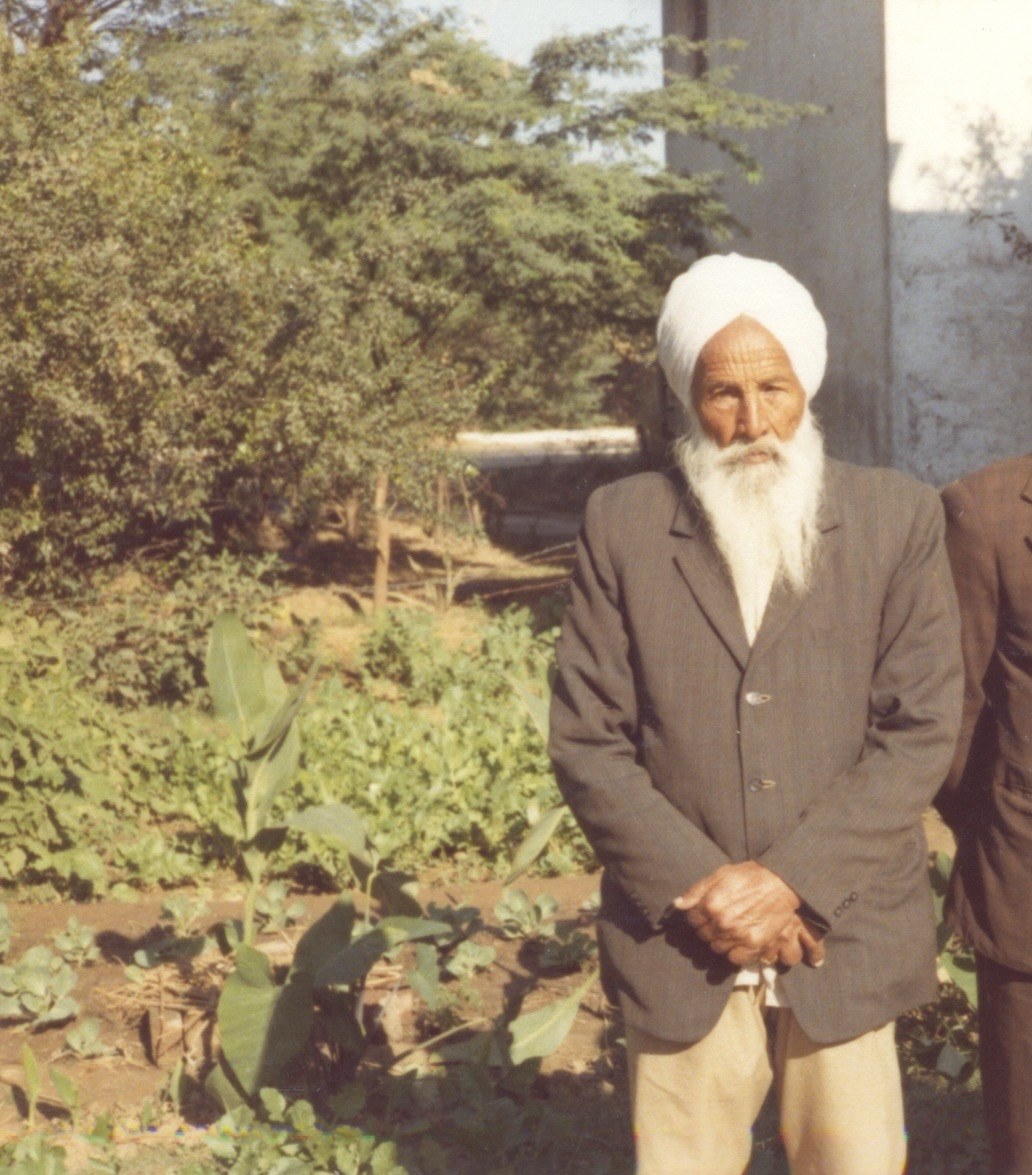
Nirmal Singh Sandhu is the youngest of eight surviving children. Four brothers — Gurdial, Lachman, Sarwan, and Nirmal himself — and four sisters — Bant Kaur, Preeto, Jeeto, and Seeso. Their father was Chanda Singh Sandhu — Arjan's son. Their mother was Harnam Kaur, known to the family as Nami. Chanda Singh actually fathered six sons in total, not four; the eldest two died young, one in an accident and one of smallpox, before the family that's remembered today was fully formed.
Chanda Singh himself had a brother, too — Ram Das Sandhu, Arjan's other son. Ram Das worked on the railways and was considered well educated for his era, but died young of illness — young enough that Arjan spent much of his own time afterward helping raise Ram Das's son. What became of that son, and whether he had children of his own, isn't known — meaning there may be a whole branch of the Sandhu family descended from him that this tree doesn't yet include.
Within Chanda Singh's own family, though, birthplaces tell their own story of the move. "I was born in Jajja Kalan village," Nirmal says. "I was ten years old when we went to Phagwara." Before that, the family's whole world was the village and the farm. Bhupinder was born in Jajja Kalan. Surinder, who the family knows as Shinda, was born in nearby Chala. Bahadur, known as Kuku, and Santokh were both born after the move, on the farm in Phagwara.
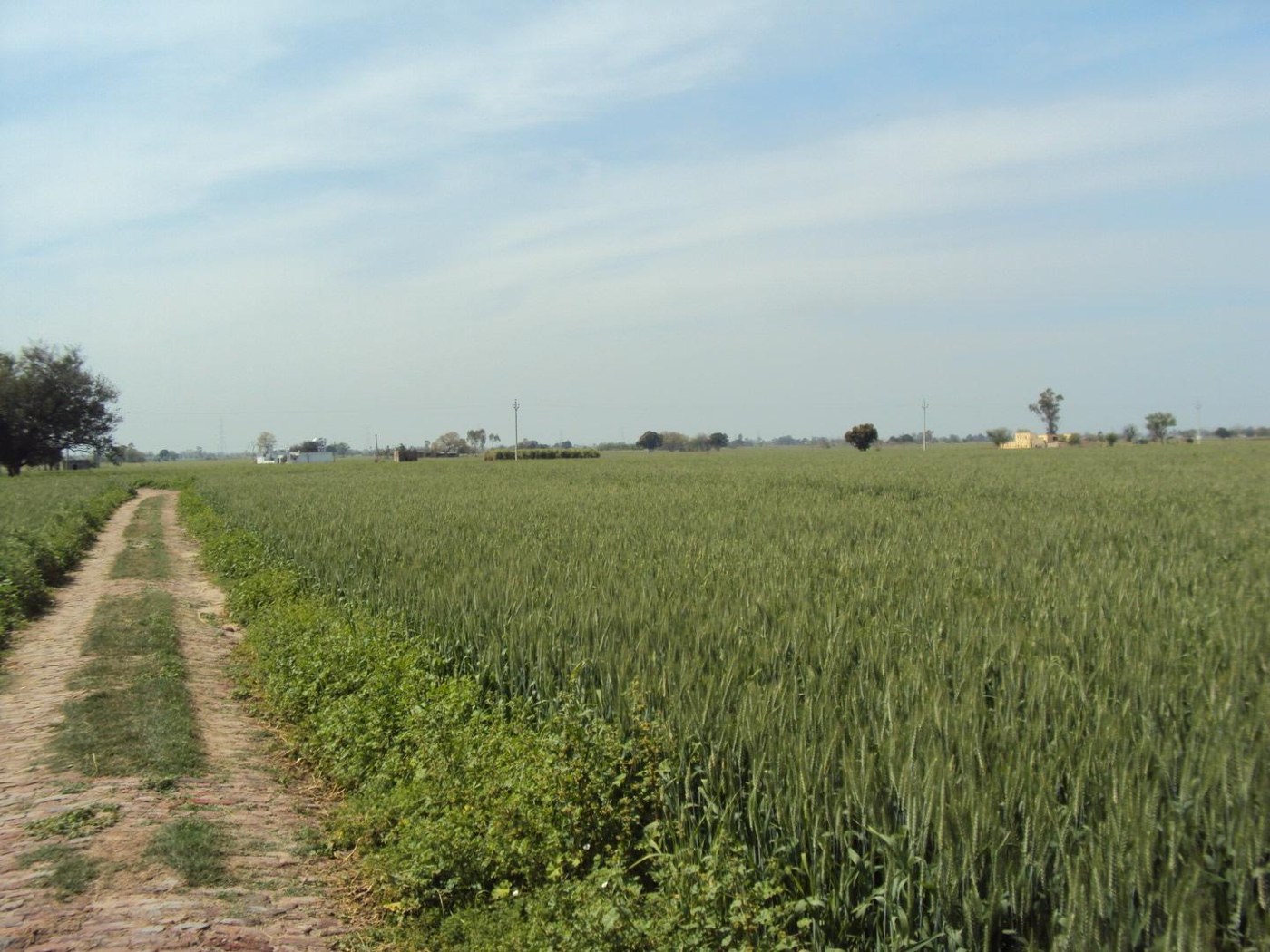
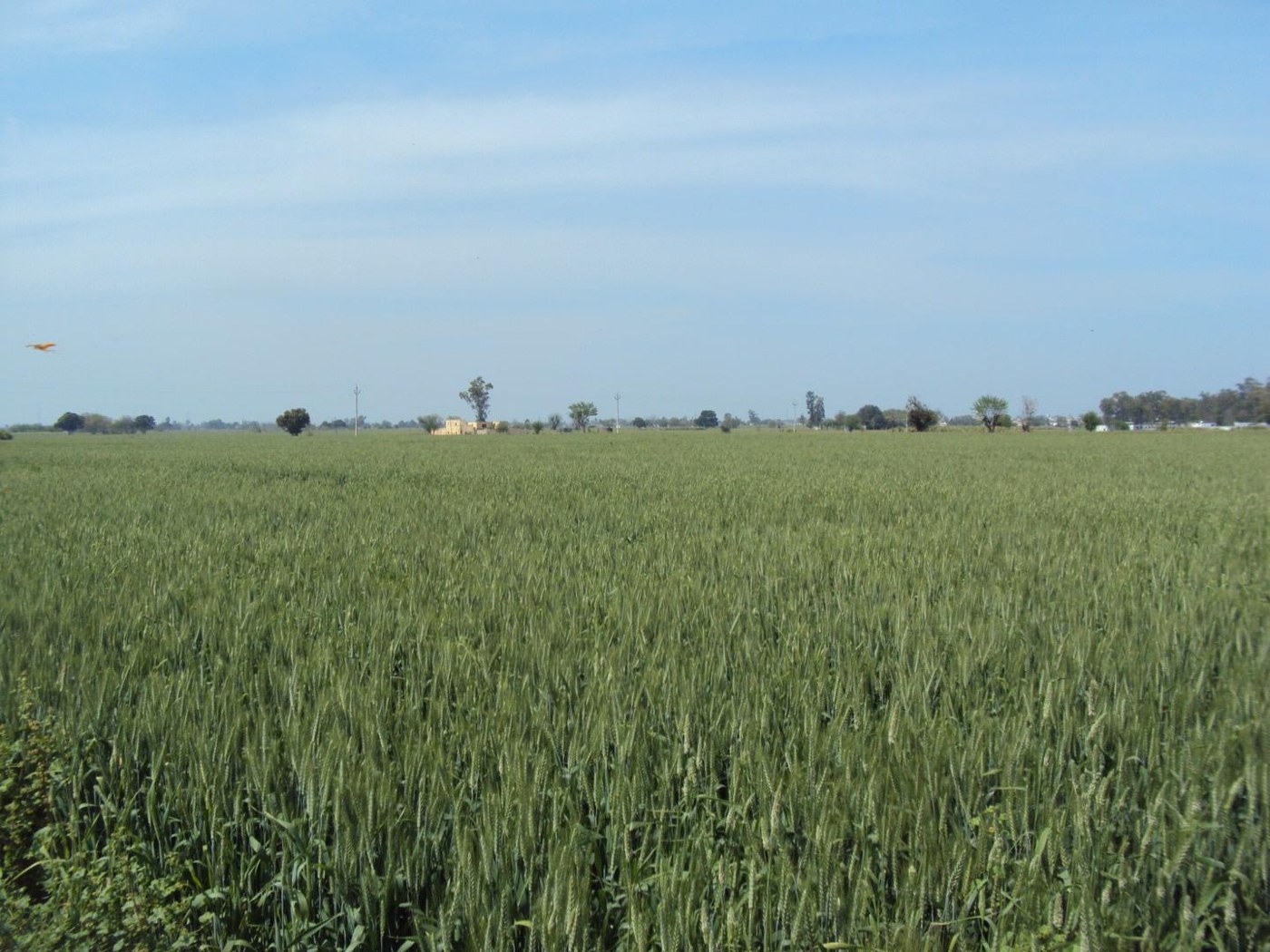
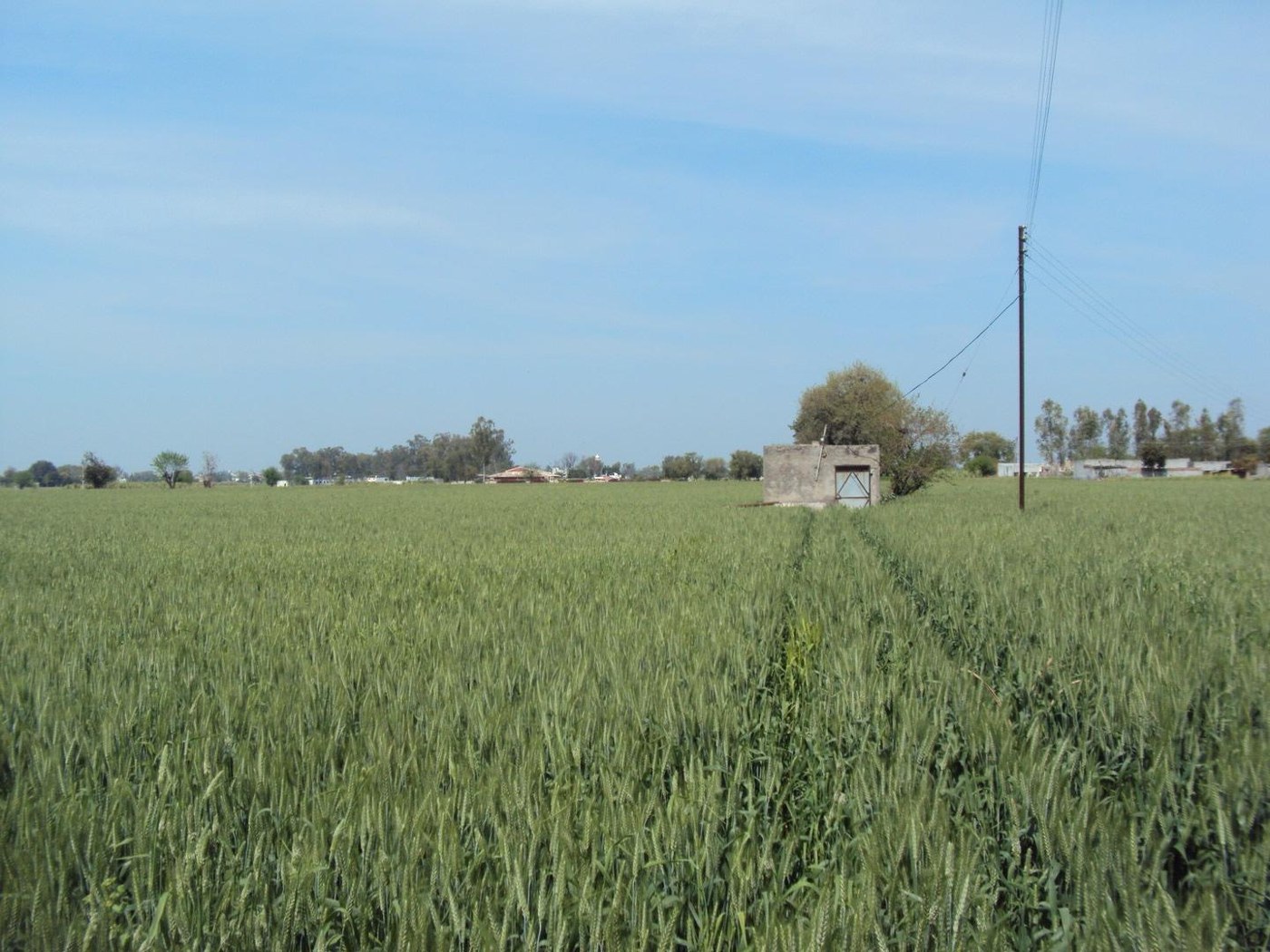
There was no other life on offer. "People who would get a graduation, would get a job somewhere else," Nirmal says. "But we were a simple family" — farming was the only trade anyone in it knew. The land itself grew wheat, maize, and sugarcane, worked jointly by the whole family rather than divided up between them — enough, between the crops and the animals, that there was always food on the table even in lean years. Every morning began with school, and every afternoon ended with the cows and buffalo, milked and looked after by children before they'd even had time to put their school bags down. For Bahadur, school itself meant a walk of two or two-and-a-half miles each way to reach it — no bus, no lift, just the walk, there and back, every day, on top of the farm work waiting on either end of it.
Santokh left for England at seven, and remembers almost nothing else from his earliest childhood on the farm in Phagwara — just two things have stayed with him from before the move. One is ordinary afternoons spent playing with his cousin Narinder, someone he was especially close to. The other is a household accident. His youngest sister, Kuldeep, lost her forefinger to a mechanical chaff-cutter — a heavy wheel with a blade, used to chop feed for the animals. It was the kind of danger that came with growing up on a working farm, where children were around machinery like that every day. In the confusion that followed, the severed finger was set down on top of a nearby wall, and a crow took it before anyone realised. "They said, if I hadn't put it on there, and if I'd kept it, they would have sewn it back on," Santokh recalls being told afterward.
Back in Chanda Singh's own household, a generation before Santokh's, whatever the children earned belonged to their father. He decided what it paid for — school fees, school meals, food. Discipline was not gentle. "If an elder asked us to do something, we must do it," Nirmal remembers. "If we refused — two or three slaps." Chanda Singh kept a stick for worse mistakes, and alcohol and cigarettes were forbidden outright.
Nirmal offers an explanation for where that strictness came from: Chanda Singh's own mother died when he was two or three months old, and he was raised by a strict father, with no mother's love to soften him. "He didn't have any love," Santokh says of his grandfather, "so he didn't give them any love. And they, in turn, didn't give us any love." It's a line that several of the men return to, unprompted, when trying to explain Chanda's approach — and the Sandhu temper that has carried on through the generations that followed.
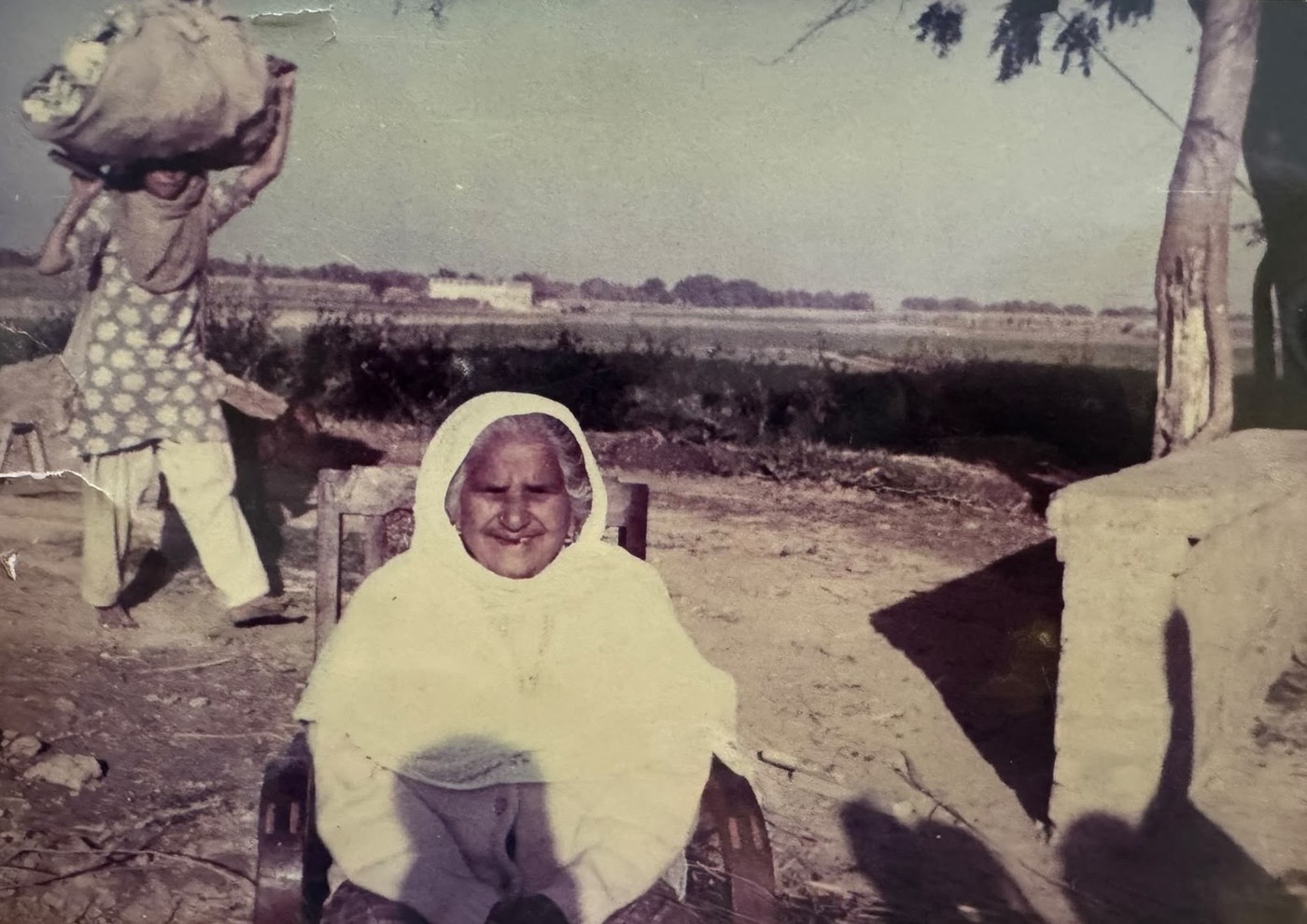
And yet, alongside the hardness, there was real work and real pride in it. Nami Kaur rose at four every morning to make the atta by hand and cook for the household before the day's labour even started. "My parents were very hard workers," Nirmal says simply.
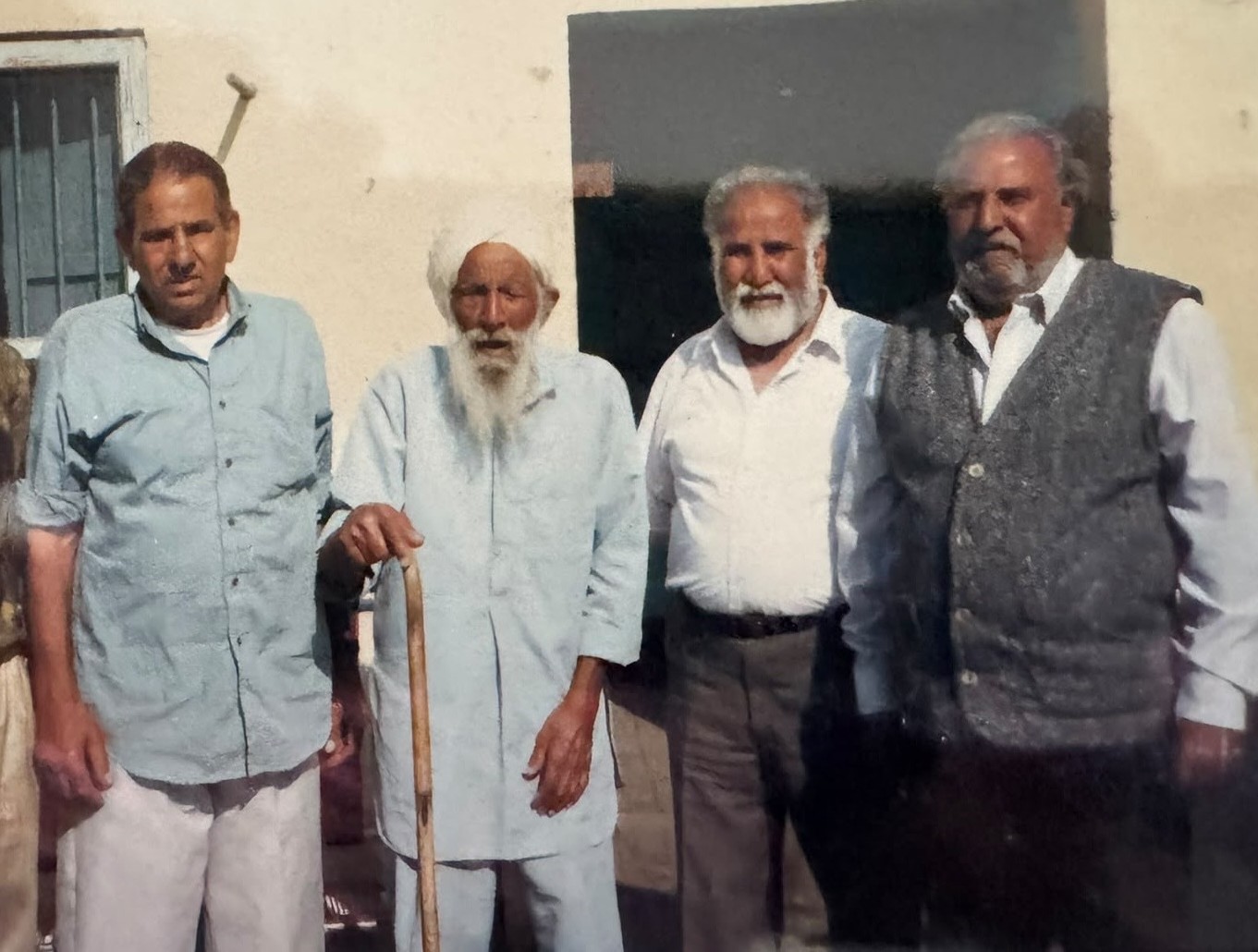
Chanda Singh's mental sharpness, on top of everything else, remained remarkable well into old age. He never went to a day of school, and taught himself to read entirely on his own — family legend has it he picked up Punjabi in a single day, before going on to read Hindi and Urdu as well. Later in life, with the family settled in England, he began teaching himself English too. By the family's own reckoning he lived to somewhere around a hundred and five or a hundred and six — older, even, than the more precise 103 years the official record gives him. As the men themselves say, ages and birth years from that generation of the family are largely "made up" — closer to what people remember than what anyone wrote down at the time.
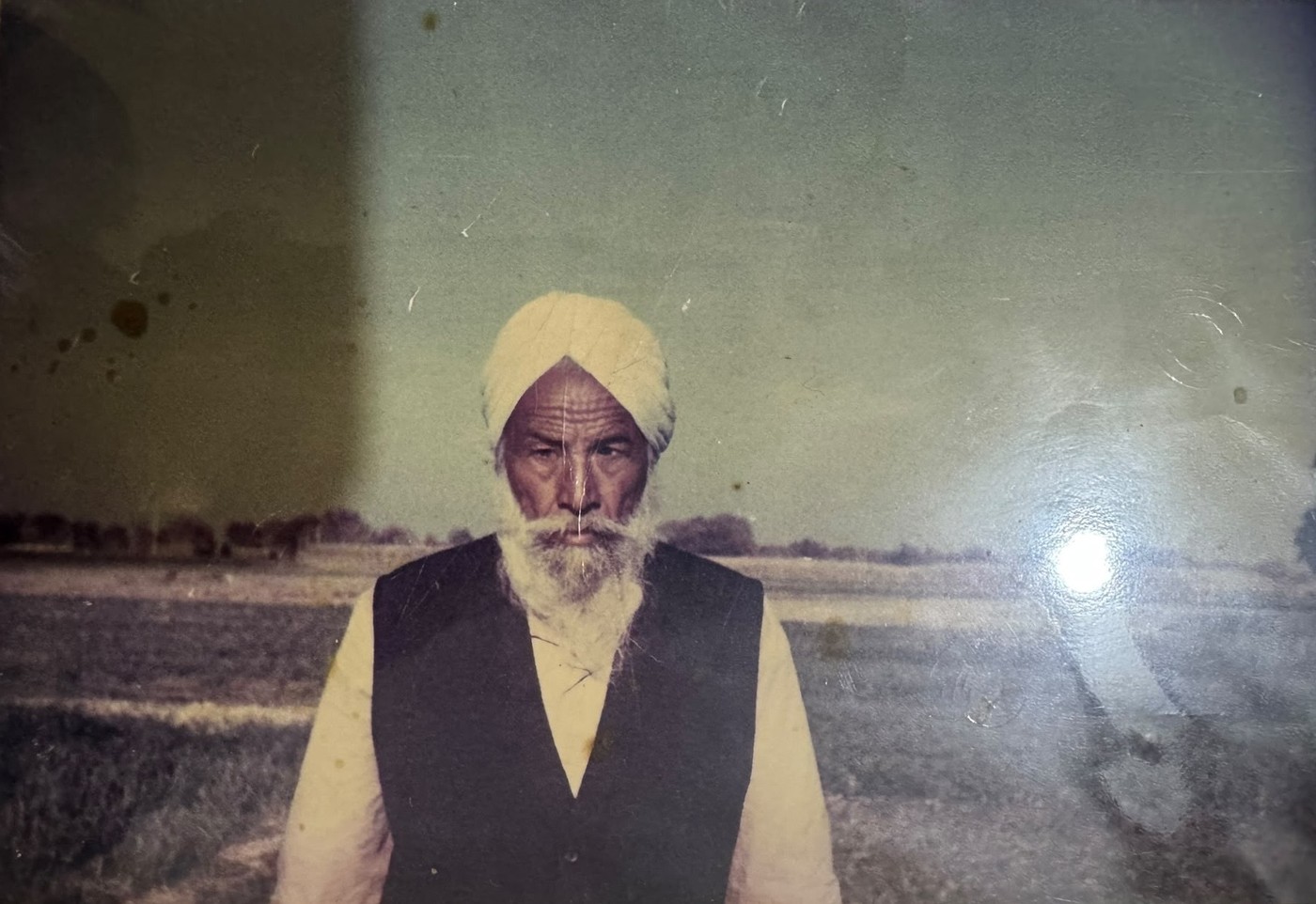
That same capacity for picking things up never left his hands, either. Sometime in the 1970s, in his eighties by then, he made one of his few trips to England, staying a couple of weeks with Bahadur and Sarwan in Slough. He travelled there from Hounslow by bus and walked the rest of the way to the house himself. It's a visit the family still tells one particular story about: he noticed wood scraps thrown out behind the house — offcuts nobody else saw any use for — and said, simply, that he'd build a table out of them. He did — and it lasted for years, strong, built to last. Bahadur describes his grandfather, even then, as a wonderful learner, someone who could still pick up a skill and do it properly, well into his final years.
Visits like that one were rare enough that each felt like a momentous occasion for the whole family. Whenever Chanda Singh — affectionately known within the family as Bhaiaji — came to England, people would come round just to see him, as Bahadur's own daughter, Karamveen, remembers it. It was the kind of respect that never really faded.
One tradition from their childhood has outlasted almost everything else about it: the family was raised to call their first cousins "brother" and "sister" – not "cousin" – and to mean it. "You're brothers, you're not cousins," is how Santokh remembers being told, growing up — no first, second, or third cousin, just family, full stop. It's a habit the family has kept up long after leaving the village that taught it to them, and more than one of the men points to it as the real reason the family has stayed as close as it has.
A Grandmother's Idea
Arjan's fortune had made the family comfortable, but it hadn't made their land any bigger — and Jajja Kalan alone was never going to stretch far enough for eight children, and the next generation of their family. The turning point — the purchase that the family now treats as its single most important investment — very nearly didn't happen, and the family agrees it wasn't Arjan's or even Chanda Singh's idea.
It was Nami Kaur's.
"She had four daughters and four sons — a big family," Surinder says of his grandmother. "She realised as the family grew up, there was going to be a problem — not enough income." So she pushed her husband, Chanda Singh, to go to his father and ask for the money to buy more land. Santokh remembers his own father telling the story the same way: "She said to her husband: you've got four sons and you've only got a little bit of land. You need to buy more land. I won't be able to marry the children off." In Punjab at the time, a family without enough land to show for itself struggled to marry its children well. Nami Kaur understood that better than anyone.
"So our grandmother — the credit must go to her," Surinder says. "The Phagwara land was her initiative. Our biggest investment was Phagwara — the land."
The land itself came up for sale almost by chance. It had belonged to the Maharaja of Kapurthala, who was selling off parts of his estate, and this particular piece went to auction. It was Chanda Singh who was set to attend and bid, using his father Arjan's money — but the family were newcomers with no standing among Phagwara's established wealthy families, and word reached them before the auction that Chanda had little hope of winning it: "You will have no chance getting this land," he was told. It was two of Arjan's own friends in the city — Nauria and Mohan Singh, described as the two big men in Phagwara at the time — who solved it, precisely because they knew Arjan personally. "What we can do, because we know Arjan, we'll buy it for you," they said. "Once we put our hand up, no one will challenge us." So Nauria bid in his own name, uncontested, and a year later quietly transferred the land to Chanda Singh. "That's how honest they were," Bahadur says.
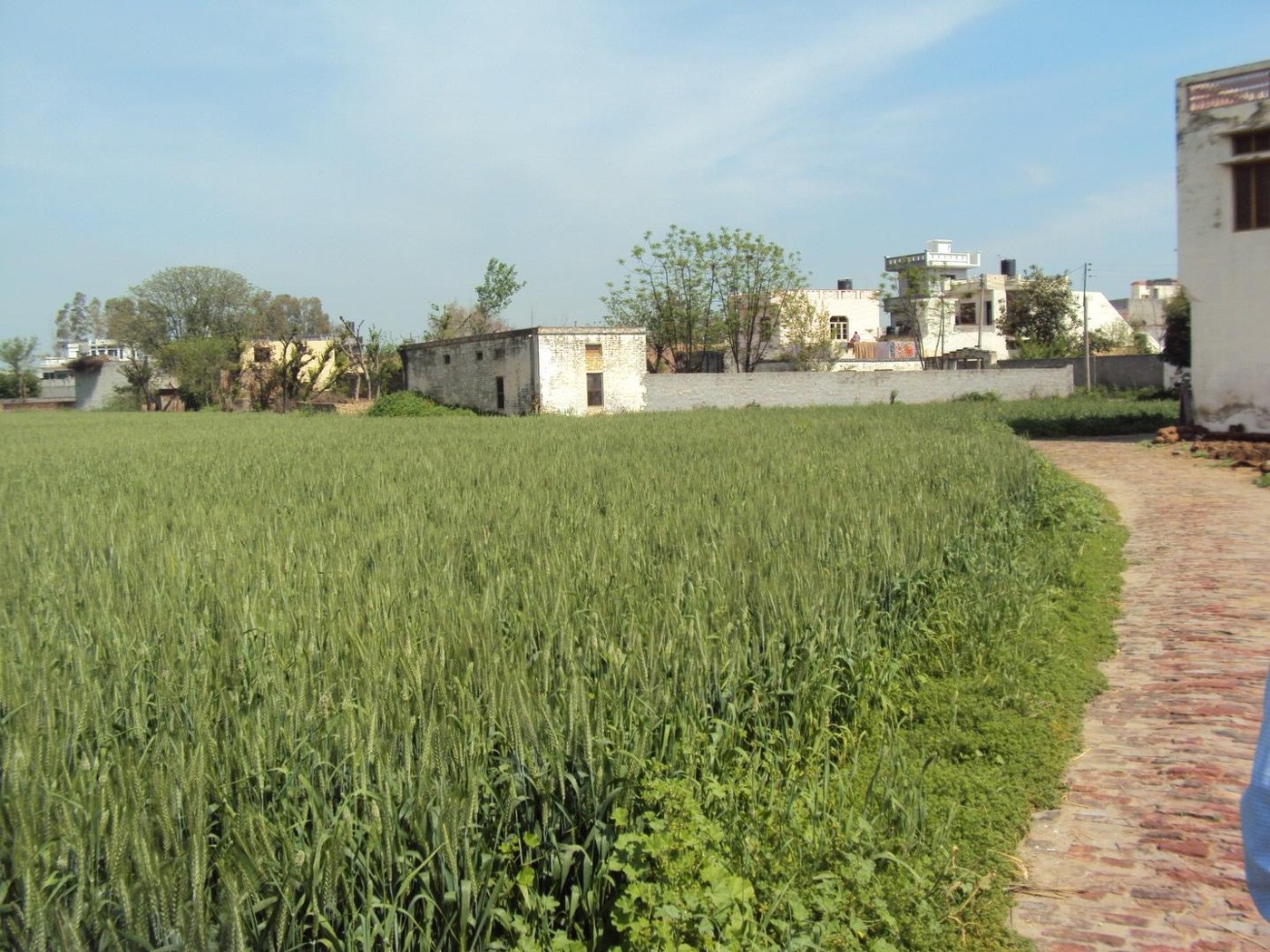
Thirty-two acres, bought for around ten thousand rupees at the time — split equally, eight acres each, among the four brothers once they were grown. It was, by any measure of the family's history, the single decision that made everything that followed possible.
Owning the land on paper didn't end the dispute over it. Local families who'd been grazing animals on it kept treating it as their own, and once it was clear the Sandhus were there to stay, they tried to make life difficult enough that the family would give up and go back to Jajja Kalan — damaging their crops among other things, by Nirmal's account. "Their plan was to make our lives so difficult that we would go back to Jajja Kalan," Surinder says.
It came to an actual standoff: Kirpans drawn on both sides, Chanda Singh walking out by himself to face the men who'd come to fight. Sarwan, realising his father had gone out alone, grabbed his own sword and ran to join him. The other side backed down at the sight of them together — helped, Nirmal says, by Sarwan's sheer size, which alone was often enough to put troublemakers off. "After that, we never had an issue," Surinder says. From then on, the land the family had bought became, undisputedly, theirs.
The Land Nobody Talks About
Not everything in this family's land story ties directly to that Phagwara purchase. Arjan Singh Sandhu had another way of building up land over the years — not by buying it outright, but taking it as security when a debt went unpaid, the same way he sometimes took livestock instead of cash. By Nirmal's account, he turned much of it down at first, reasoning his family didn't yet need it — only accepting once the family began to grow.
Not all of it survived. Some of what Arjan accumulated this way was never formally registered in his name — an informality that cost the family nothing until 1947, when the India–Pakistan Partition redrew the map of Punjab overnight and unregistered claims simply evaporated along with it. Whatever wasn't on paper in his name was lost in the upheaval — one of the quieter costs of that year, sitting alongside the more dramatic ones the family also carries from it, told later in 1947: The Partition, as Nirmal Remembers It.
Chanda Singh had a story of his own tied to that land, too. Somewhere on it, before the family left for good, he buried money and gold of his own — enough of a fortune that he went back at least once afterward to search for it. It was never found — though the family has floated a few theories over the years about what became of it.
What the family did keep is what was properly recorded: the sixteen acres in Jajja Kalan, of which around ten remain in the family's hands today, and the thirty-two acres bought in Phagwara, split equally, eight each among the four brothers. It's the Phagwara land, above all, that the family still measures its own history against. Between what was bought, what was taken as security, what was lost to the Partition, what was buried and never found, and what was fought to keep, land isn't really a single chapter in this family's story so much as the ground the whole rest of it is built on.
Two Versions of Why They Left
The family agrees on almost everything about how they came to live in Phagwara — except one thing: exactly why the move happened. It's worth setting both versions down as the family itself tells them, rather than picking one.
The first version, as Surinder tells it, is a story of opportunity. Once the land was bought, someone needed to actually go and farm it. Gurdial, the eldest son, volunteered first — "he saw it's a good opportunity," Surinder says — but he missed his home village too much and returned to Jajja Kalan within a year. Some time after that, Sarwan and Nirmal went with their parents, and the family settled in Phagwara together from there. At some point Gurdial also tried his hand at business, following his grandfather Arjan's example — but, as Nirmal puts it plainly, "he didn't do well in business." Whatever instinct had carried Arjan to a fortune clearly didn't pass down evenly.
The second version, which Nirmal remembers differently, centres on what was happening in the village rather than on opportunity — though it's a harder story to pin down specifics on. He recalls an incident from that time involving a friend of Sarwan's, which caused real concern and unease in Jajja Kalan before the family left for good. The family cannot establish from any record exactly what happened, and it isn't a story anyone can tell with much certainty — only that it unsettled things enough to matter.
What the family does agree on is the effect this unease had. Nami Kaur grew concerned about the family's situation in the village and wanted them to move on — part of why the family, as it's remembered, "basically fled" to Phagwara. The family records this only as part of its oral history — a memory of an unsettled time, not a claim about any specific event or any person.
Both stories are true in the sense that matters most: the family moved to Phagwara, together, and never went back to live in Jajja Kalan again. Which of the two reasons weighed more — the pull of opportunity, or an unsettled situation back home — remains uncertain, even within the family's own memory, more than eighty years later.
What they didn't leave behind entirely was the Jajja Kalan land itself — the fuller story, including Chanda Singh's buried gold that was never recovered, was already told in The Land Nobody Talks About.
"Give Them the Keys": The Night of the Robbery
If buying the land was the family's proudest decision, what happened not long after was its most frightening night.
Word had spread that the newcomers from Jajja Kalan were sitting on money — gold and cash worth, by the family's own estimate, around one hundred thousand rupees. It was kept the only way anyone kept a fortune before banks reached rural Punjab: locked away with the keys in what one family account describes as a steel box with locks, and another remembers as a big trunk. A local troublemaker in the pind is said to have pointed the family out to a gang of bandits as the richest household worth targeting.
As the story goes, they came at night, armed, and tied Chanda Singh up. Nirmal was too young at the time to remember it himself — by his own admission, everything he knows of it comes from what he was told by others who were actually there. "This happened in the middle of the night," he says. "They had weapons, and they tied him up."
Family accounts go further still: a knife was held to young Nirmal's throat, and the robbers demanded the keys to the safe. Chanda Singh, furious, refused. It was Nami Kaur who made the call that likely saved her son's life. "I'd rather lose money, but not my children," she told her husband. "Give them the keys."
They did. The robbers took everything — the gold, the cash, all of it. Arjan himself was elsewhere on the property that night, sleeping in a separate part of the house, and survived the robbery untouched. Gurdial, the eldest brother, was sleeping outside and wanted to intervene the moment he realised what was happening. His father stopped him. "Sit down," Chanda Singh told him. "They will beat or kill you."
Bahadur puts the loss in perspective against the land purchase that had just been made: the family had bought thirty-two acres in Phagwara for around ten thousand rupees, and lost more than ten times that in a single night to men who'd heard, correctly, that the family had nowhere safe to keep their fortune.
Bhupinder, reflecting on it decades later, sees it almost as proof the land purchase had been the right call after all: "It's a good thing we bought that land," he says. "If we hadn't, because of the robbery — we would have had nothing left at all."
The neighbours, who were also robbed that night, blamed the Sandhus for drawing the attention in the first place. The same troublemaker who'd pointed the bandits toward the family is said to have gone round the village afterward, mocking them for having been robbed twice over — once, in his telling, by buying land he considered worthless, and then again by the bandits he'd sent after them.
Nami Kaur and the Road to Beas
Nami Kaur is remembered by her sons and grandsons as the first in the family to join Radha Soami Satsang Beas, the spiritual movement that would go on to shape much of the family for generations after. But the story of how that happened starts with grief, not faith.
It begins with Sarwan's first wife, remembered by some as Gejo, said to have been the younger sister of Gurdial's own wife, Prakash Kaur. Not long after her marriage, she fell seriously ill, with what the family believes may have been typhoid. The medicines available then were nothing like those available now, as Nirmal remembers it. The family tried everything they knew, and someone suggested a saint at Beas, near Amritsar, who was said to heal the sick with his blessing. Nami Kaur and her daughter-in-law decided to make the journey together.
Arjan Singh Sandhu, hearing that two women were planning to travel through what was, at the time, a fairly dangerous part of the country, refused to let them go alone. He insisted Chanda Singh accompany them. It was, by every account, meant to be a single trip for a single desperate reason — not the start of anything. But once there, Nami Kaur and her daughter-in-law heard the teachings of the Master, Baba Sawan Singh Ji, also known as the Great Master, and asked to be initiated. Nami Kaur was the first in the family to do so.
Chanda Singh, by contrast, arrived as a devout and traditional Sikh with no particular interest in this new teaching — he was a Gurdwara-going man, as the family tells it — but sitting through the satsang while he waited for the women, something shifted. As the story has been passed down, he felt, for the first time in his own experience, that he had grasped the true meaning of the Bani. He asked to be initiated on the spot, but was turned down. "You came here to chaperone the ladies," the Master told him. "You have not come to be Radha Soami. Come back at the next Bhandara." Three or four months later, he did, and was accepted.
Chanda Singh's memory for the teachings that followed was apparently just as sharp as it had always been — sharp enough that, years down the line, he came to help teach other new initiates the five sacred names.
As for Gejo, whose illness had started the whole journey — that loss deserves to be remembered in its own right, not just as a prelude to what came after. But the path that opened for Nami Kaur and Chanda Singh that day did become one of the defining threads of the family's identity, carried forward by much of the family in the generations since.
1947: The Partition, as Nirmal Remembers It
Nirmal is the only one of the five men in the room who remembers the India–Pakistan Partition directly. He was ten years old. The 1947 division of British India into two independent countries triggered one of the largest mass migrations in history, and widespread violence along the new religious border.
"I remember everything," he says. In Jajja Kalan, Sikhs and Muslims had lived as neighbours and friends for generations — "they were our friends, we played a lot," Nirmal says. "We had no idea if they were Muslim or not. We would eat at their house, the same with us." Religion, in other words, simply wasn't a dividing line between neighbours at the time. When word came that Muslims elsewhere were being killed, and reports travelled back the other way that Sikhs and Hindus were being killed in what would become Pakistan, the violence in the village turned neighbour against neighbour within weeks. Reflecting on it decades later, Bhupinder puts it simply: "Suddenly, you become enemies."
A man in the village — by Nirmal's account, already known as a bad character before the Partition gave him an excuse — began killing Muslim villagers. Camps were set up to move Muslim families to safety, trains arranged to take them across the new border, and the same was happening in reverse in Pakistan for Sikh and Hindu families. Nirmal remembers giving money to Muslim families in the camps before they left. "It wasn't their fault," he says.
The violence was severe on both sides of the new border. Around a million people are estimated to have died in the migrations that followed the Partition, and the family's own account doesn't shy from what that meant on the ground — looting, killing, and widespread sexual violence against women on both sides, in a breakdown of order that lasted for months. Nirmal also recalls hearing that a British officer, surveying the chaos in Lahore from a helicopter, decided on the spot that the city would have to go to Pakistan — a single administrative decision made from the air, in the middle of a catastrophe playing out on the ground below him.
It was also the Partition, indirectly, that finally settled the family in Phagwara for good. The land Chanda Singh had bought there had been rented out to Muslim tenant farmers before 1947. When the Partition came and those families fled to Pakistan along with everyone else, the Sandhus made the decision to move onto the land themselves rather than risk anyone else claiming it in the chaos. "We didn't want anybody else to take over the land," Santokh says.
Chanda Singh's Children
Four brothers took this family from a village in Punjab out into the world — and the women beside them shouldered just as much of the work in getting them there.
Four Brothers, Different Paths
Of Chanda Singh's four surviving sons, only one — Lachman — left farming behind for an education, and the family remembers it as an extraordinary thing for him to have done.
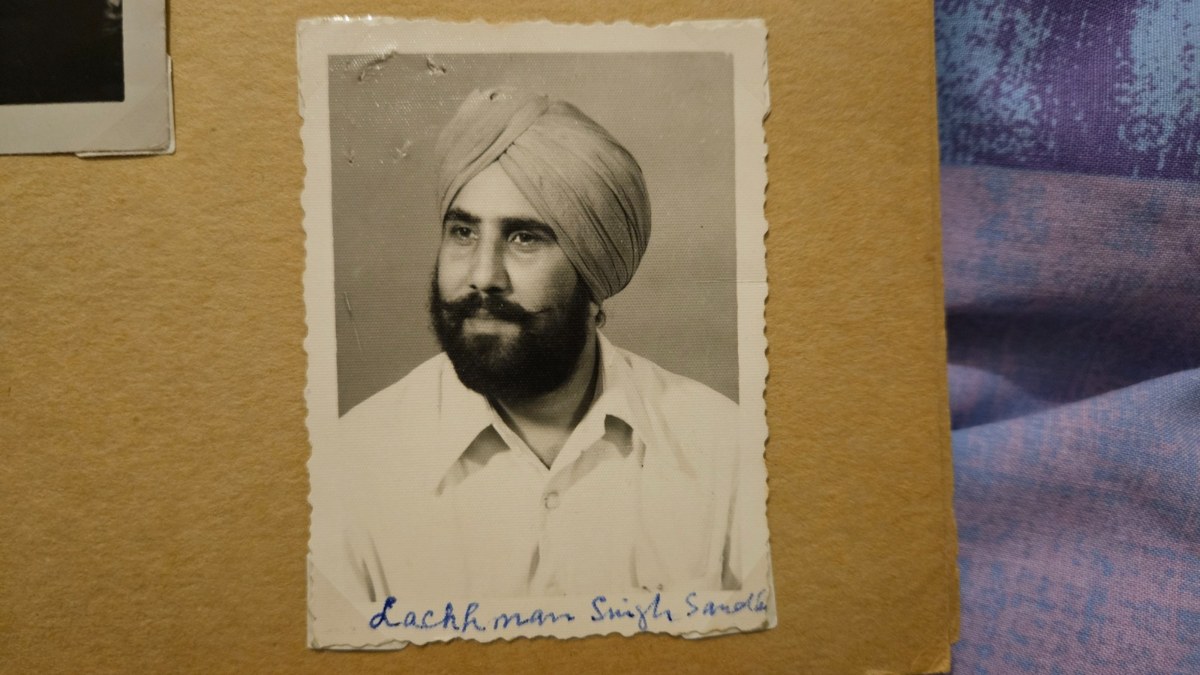
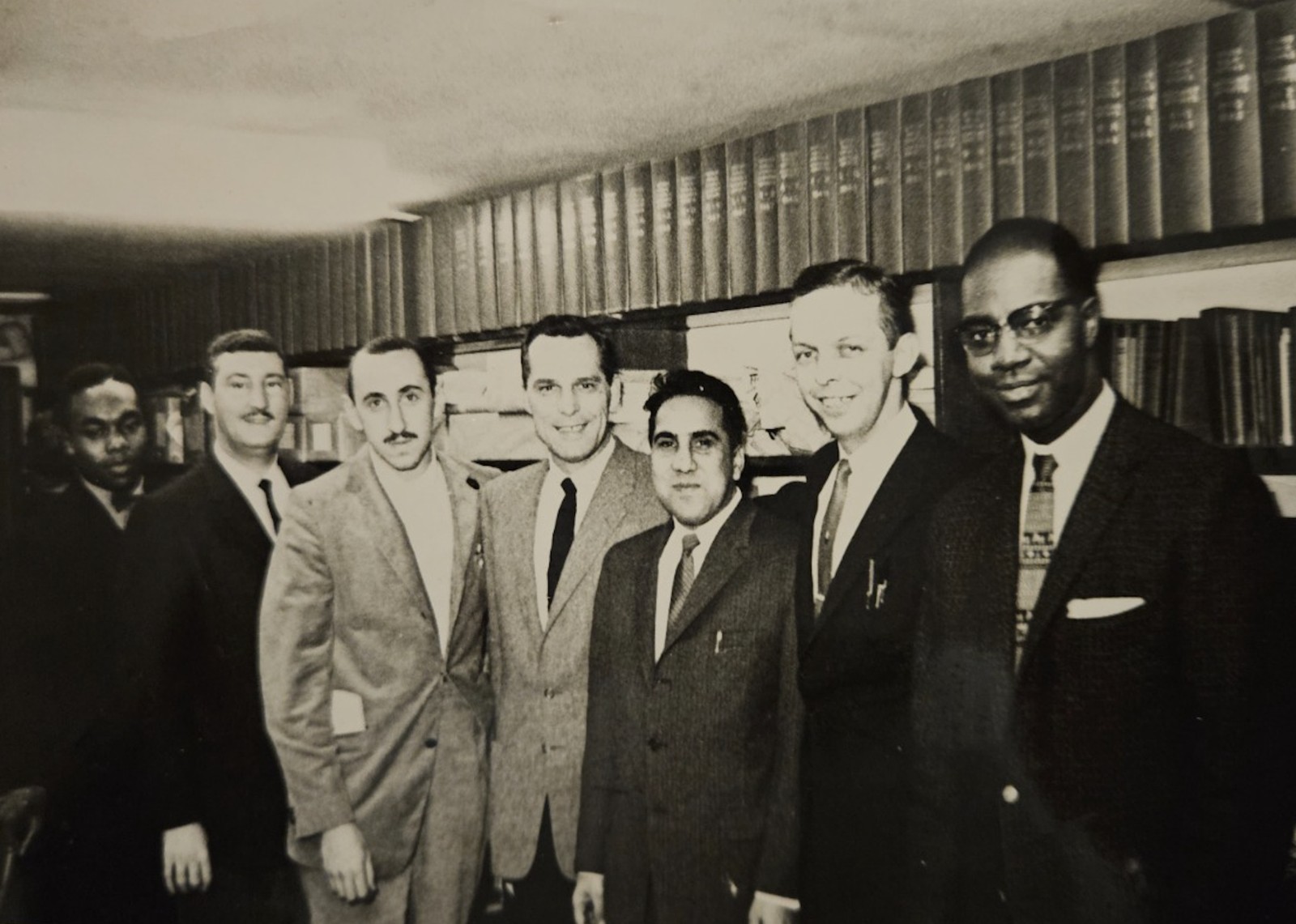
"There were four brothers," Surinder says of his own father. "It was only our father who actually went into education." Lachman went from primary school through secondary, took a Bachelor of Arts, and then a Master's degree in India — already unusual for a farmer's son in that era. By then he was working as a maths teacher at JJ School in Phagwara. Then he did something truly rare: he travelled to Chicago to complete a second Master's degree in America, alongside two college friends, hoping the American degree would give his career a real boost once he came home. "It was such an adventurous thing to do," Surinder says.
His sons, Surinder and Bhupinder, were left behind in Phagwara — first without their father, and then, not long after, without their mother too, who followed him abroad. They were around five or six years old. It was their grandparents — their grandmother especially — who raised them in their parents' absence, with plenty of the wider family nearby too, Nirmal among them. "So we had that gap as well," Bhupinder says. When Surinder finally saw his father again in England, at twelve or thirteen years old, it didn't feel like a reunion. "Meeting our father was very odd," he says. "It was meeting someone we don't know — a stranger. Father, yes, as a relation. But it took a long time to work through, to be closer."
Sarwan, by contrast, never left the farm — and became known, instead, for his sheer physical strength. "He was a very famous wrestler," Bhupinder says. "Very, very strong. He could hardly walk because his thighs were so thick" — thick enough, by Bahadur's account, that they'd rub together and bleed. Nirmal, as a boy, remembers standing on his brother's back while Sarwan did press-ups by the hundred, unbothered by the extra weight — a strength built on real physical toil, not just for show. Sarwan lost the skin off his own back more than once, working the family land under the Punjab sun to level ground that hadn't been farmed before. "He had no choice," Bahadur says of the work. "He never had a choice."
Nirmal remembers Sarwan as the naughty one among the four brothers, drawing more of their father's temper than the others as a result. "Why do you drink?" Chanda Singh would ask him, and then beat him for it. It's an early sign of the same pattern that would follow Sarwan through much of his life — hard, capable, and often at odds with the household he'd grown up in.
He wanted more than farm work, too, in his own way — trading animals in India, buying and selling cows and buffaloes, and on one occasion a camel, chasing the same instinct for business his own grandfather Arjan had. It never quite came together for him the way it had for Arjan — not being able to read or write made it harder without the kind of help Arjan had once leaned on, and, as the family remembers it, his marriage to Gurdev wasn't always the easiest either. Between the two, the business ambitions mostly stayed just that.
By Bahadur's own account, both his parents were largely absent — his father, Sarwan, out working the fields or, later, drinking, among other things; his mother, Gurdev Kaur Nagra, Sarwan's second wife after Gejo's death, just as absent in her own way. "She wasn't much of a mother for me, in my view," Bahadur says, "because she was working all the time."
Santokh remembers his own father, separately, as "very strict" and prone to lashing out "for no reason" — tracing it, like Nirmal does, back to Chanda Singh's own loveless upbringing. "The anger comes right from the top," he says. "From Bhaia [grandad]" — Chanda Singh himself.
Bhupinder, for his part, doesn't deny having a temper of his own. He remembers being taken, as a sick and difficult child not long after arriving in England, to see Maharaj Charan Singh, the head, at the time, of the Radha Soami movement the family had joined, in 1964. His mother, at the end of her patience, told him her son wouldn't stop fighting with her. "Donkey — don't fight," Maharaj Charan Singh told him. "After that," Bhupinder says, "everything changed. I calmed down." He adds, to laughs from the others in the room, that the temper never entirely left him.
None of this is to say Chanda Singh's sons, or their households, always got along — they didn't, and the family doesn't pretend otherwise. Unlike the surrounding villages, Phagwara was more concentrated and compact — and within it, the Sandhu household was especially so: ten or fifteen people living close together, with close living breeding its own friction. Arguments broke out often enough over ordinary things — water, chores, who'd done what — the kind of "petty" disputes, as the family calls them, that come from too many people sharing too little space. With several wives in the same house on top of it, tempers ran even shorter. It was normal, in other words, rather than remarkable — the everyday cost of a family that size living as close as this one did.
The Women Who Held It Together
It would be easy, reading this story, to think the family's survival was a story of men — Arjan's business mind, Chanda Singh's land. It wasn't. The women in this family worked just as hard, for just as long, and almost none of it was written down until now.
Nami Kaur's 4am starts, already mentioned, never let up — not when the family grew, not when times got harder, not even after losing two of her own sons young. "She was very good," Nirmal says of her: a hard worker, kind to everyone around her, rarely one to argue or lose her temper. Behind those few words is a woman who spent decades keeping a large and constantly growing household fed and running.
The family is honest that girls and boys were not raised the same way at the time. "They always look after the boys," Nirmal says of the attitudes back then — girls weren't expected to need an education or a career of their own, only to work at home, while boys were sent on to school and college. The family explains the reasoning as it's been told down the generations: a daughter was going to marry into another family eventually, so from her own family's point of view, money spent educating her felt, to that generation, like money spent on someone else's future household rather than their own. Bhupinder compares it, jokingly, to the Taliban's approach to girls' education.
Not every woman in the family fit that pattern, though. Surinder and Bhupinder's own mother — married to a man with two Master's degrees — never went to school for a single day as a child. But when she arrived in England as an adult, she enrolled in college herself, in a class specifically for overseas students to learn English, and came out of it able to read, write, and speak the language. "She was very clever," Surinder says, "even though she didn't have any education." She could read Punjabi too, Bhupinder adds. Nirmal's own wife, Santokh's mother, had made it to eighth grade in her village before she was married, in a completely separate story of her own — unusually far, given the remarkable circumstances of her own upbringing, told in full in the next chapter.
There was another hard truth in the household, too: the fathers in this family were often absent — working long hours, or in one case drinking, or simply not built for closeness — and it was the mothers, grandmothers, and sometimes other female relatives who actually raised the children day to day.
The same pattern shows up with Surinder and Bhupinder, whose parents' years away have already been described — but it was their grandmother who stepped fully into a mother's role during that time, not just a grandmother's. "She was our grandmother and a mother," Surinder says. "She kind of played both roles." Santokh sees it as one of the real advantages of a family this size: "Because it's a big family, although you do miss your parents, there's always somebody there — you feel secure." No matter which parent was missing from a childhood in this family, a woman was almost always there to fill the gap — up at 4am, or playing both roles at once, however it was needed.
Married In: An Island Called Kala Pani
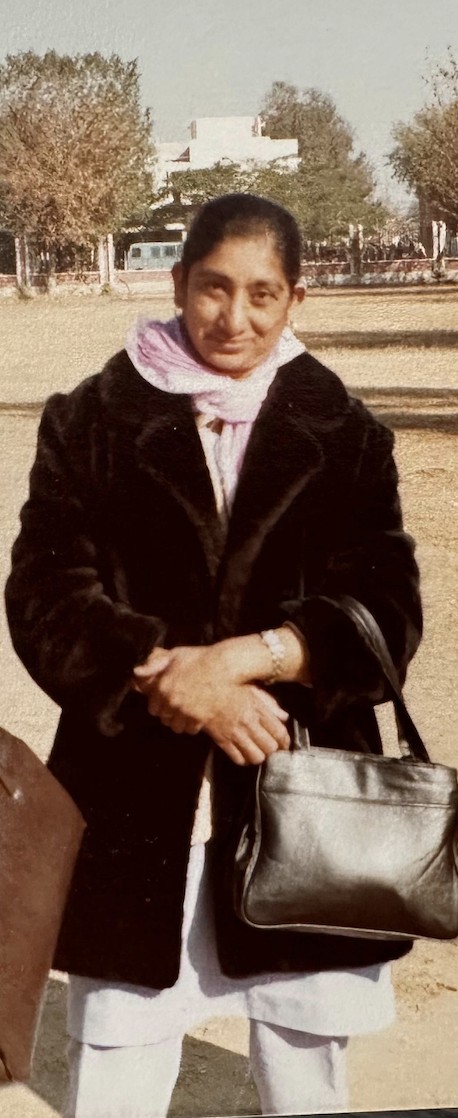
Not every story in this family belongs to a Sandhu by blood — and the family's history is richer for it. An example of that is Tarsem Kaur, Nirmal's wife, whose own background turns out to be one of the most remarkable, almost unbelievable stories anyone here has to tell.
The story came up almost by accident, having reached the family only in fragments beforehand: that she'd been born somewhere unusual, somewhere compared, in the retelling, to Alcatraz — except it wasn't America, and it wasn't Russia either, despite how the story had been garbled by the time it reached the next generation.
"No, no, it's a little island off Burma," Santokh says, correcting the record. "It's like an open prison." The place is the Andaman Islands, and the prison colony there was known across India by a name that still carries weight today: Kala Pani, "black water." It was a penal colony so remote and so feared that being sent there was, for most convicts, close to a death sentence in itself — cut off entirely from home.
As Santokh tells it, his mother's own father was convicted of murder and sent there. Because it operated as an open colony rather than a conventional prison, the authorities sent his entire family along with him. Santokh's mother and her brother were both born on the island, inside the colony. "Basically it was just land," Santokh says, describing what he understands of daily existence there. "They were offered land. If you go there and cultivate it, you'd be given the opportunity to own it for free." Prisoners were marked, visibly, for anyone who might meet them later — a tattoo above the eyebrow, a star and a crescent moon, permanently identifying them as men who had served time on the island, impossible to hide even under a turban.
No one is entirely sure how long they stayed, or exactly how old Santokh's mother was when they eventually returned to Punjab. What is known is that she'd gone on to reach at least eighth grade in the village afterward — old enough, then, to have spent real formative years on the island, not just her infancy. What is certain is what that upbringing did to her. "She was quite tough," Santokh says. "She wasn't scared of anybody." Bahadur remembers her as physically strong as well. It's not hard to see why, given the childhood described above — she had to leave that world behind and rebuild an ordinary life on the other side of it.
She lost her own mother young, and much later, lost her only brother too — murdered after an argument in the village escalated the following day into a fight that ended his life. He and Sarwan were friends, cut from the same cloth, as the family describes them — both a little wild, a little prone to trouble, well-liked and well-known in the pind. Santokh, her first child, was only a few weeks old when it happened, and by Nirmal's account, she was never quite the same afterward. And yet Santokh remembers her, above everything else, as fiercely loving toward him — the one who drummed into him constantly not to fight, not to follow the same road that had taken her brother's life.
"I think I probably got most of my genes from that side," Santokh says — crediting her for his build, his height, and, by his own admission, whatever toughness he has. Today, the Andaman Islands are a well-known holiday destination, expensive and beautiful, a place Santokh has looked into visiting himself out of simple curiosity about where his mother's story really began, though he hasn't been yet. The prison wall, he's been told, still has the names of the men who were held there carved into it — his grandfather's among them.
Their Children, in England
The journey itself, and the generation that grew up on the other side of it.
Leaving for England
Ask any of the men how the family ended up in England, and each answer is a little different. Lachman's own stay wasn't even supposed to happen at all — and even the two who did mean to come, Sarwan and Nirmal, found the actual details worked out almost by accident. Lachman's story comes first, since his is the one that started the whole chain.
He'd travelled to America in the late 1950s to study for his second Master's degree, this one in Education, at a university near Chicago. It was sponsored by the Indian government, and he was one of the first Indian students to make that journey — sailing slowly from Bombay rather than flying.
His route home should have taken him straight back to India. He sailed from America and docked in Southampton, where he was meant to catch a connecting ship on to Bombay. Instead, he decided to stop first and visit his mother's relatives in West Drayton. "It'd be nice to see them, see the country for a few weeks," was the plan, as Surinder describes his father's thinking at the time.
Relatives already settled there made the case that he could earn far more working in England for six months than he could in India — money that would help pay off what the family had borrowed to fund his education in the first place. Six months became two years, and eventually his wife, Nachattar Kaur, followed him over too. With Surinder and Bhupinder growing older back in Phagwara, a choice finally had to be made: either their parents would come home, or the boys would join them in England instead.
Sarwan wanted to travel to England too, but the way he actually got there wasn't anything he'd planned. As the story goes, a travel agent secretly sold Sarwan's own ticket voucher to someone else for a quick profit, then coached him to tell immigration officials, on arrival, that his nephews Surinder and Bhupinder were too young to fly unaccompanied and that he was simply their chaperone. It worked. All three landed in England together, and once there, Lachman formally agreed to take responsibility for his younger brother so he could stay — an arrangement that held until Sarwan secured permanent residency of his own.
Nirmal's own journey started with a very different kind of story — one about appearances. Men from lower castes in the village who had gone to England before him would come home years later in three-piece suits, ties, briefcases in hand. "It must be pavements of gold in England," he remembers thinking — and wanting to see it for himself, he asked his brother Lachman to help him make the trip too. Lachman sent him the voucher. What Nirmal found, on arrival, was no gold at all — only work, and even that work came through someone else's kindness rather than any pavement of his own. Asked, decades later, what it was actually like arriving, his answer was as direct as ever: "Nice." Asked if it was scary: "No, no, not scary. We would start work, make money."
The kindness came from a man everyone simply called Baba — connected to his mother's relatives in West Drayton, settled in England for years by then, and well respected at his own workplace for his good English. It was Baba who had a quiet word with a foreman and got Nirmal his start.
Never a Cold Bed
What stands out most in the men's memories of arriving in England isn't the culture shock, but just how crowded everything was. Houses built for a single family were sometimes shared by forty or fifty people — the result, in their experience, of renting being the only real option available to Indian families at the time. "The English people wouldn't sell houses to Indians," is how Bahadur puts it. They lived, for a time, near Baylis Road, in Slough.
Nirmal has one line that has clearly become something of a family saying: he told his son once that for years after arriving in England, he never slept in a cold bed. Not because life was comfortable, but because the bed itself was never empty long enough to cool down. One man would come home from a night shift just as another left for a day shift, the bed passed straight from one to the other, the same way they shared the rent.
The sacrifices ran deeper than housing. Nirmal worked seventeen years of twelve-hour night shifts, seven days a week, with no holiday beyond the mandatory two weeks the factory shut down each year. Surinder recites the numbers slowly, like a man still doing the arithmetic in his head. "Seven nights, twelve hours, for seventeen years. No holidays." It's the kind of sacrifice that doesn't get smaller with retelling — if anything, saying it out loud only seems to make it heavier. It wasn't unique to him, either: Sarwan is remembered rising at 3am for his own twelve-hour shifts at a metal factory, the same pattern of relentless work that seems to have defined that whole generation of the family, not just one man within it.
What makes it more striking still is who Nirmal had been before that: the youngest of eight, and by Santokh's account a soft, spoiled child back in Phagwara, coddled by a mother who'd tell him to leave the fieldwork and come inside out of the heat. "He was a soft kid, wasn't he? He wasn't that hard," Santokh says. Whatever softness there was didn't survive the move to England. Santokh remembers his own father walking two or three extra bus stops each morning simply to save the few pence difference in fare — a habit that seems almost impossible to imagine now, and one that the younger generation, he admits, would probably just laugh at if they heard it. "They made all these little sacrifices," he says. "If you tell youngsters, they'll say — so what?" The reason, Nirmal told him, was simple — he didn't want his own children starting out the way he had, in a rented room. He wanted a house waiting for them before they'd even landed.
Within four years of arriving, Nirmal had saved enough for a deposit on a house and to send for the rest of his family to join him. It was money earned entirely from a wage packet, with almost nothing spent on anything beyond survival in the meantime. It's worth noting what that first taste of having money at all did to men who had grown up with none of their own — every rupee they'd earned as boys in Phagwara, Nirmal says, had gone straight to Chanda Singh. Once in England, several of them suddenly found themselves, for the first time in their lives, carrying real money in their own pockets. Surinder remembers his uncle Nirmal walking around with five hundred pounds on him at a time, not because he needed it, but because he could — "he never had any money in India," Surinder says. "He carried it to make up for it."
Growing Up Between Two Countries
What this stretch of growing up was like depended entirely on who you ask, and how old they were at the time. For some, it was as light and ordinary as any childhood. For others, it asked a great deal more of them.
One of the things Santokh remembers doing during his summer holidays as a boy was travelling the fifteen miles from Hounslow to Slough to stay with his uncle Sarwan, playing cards with him until past midnight while still only twelve or thirteen years old. Getting there was its own small ritual: his father would announce they were going, and then insist on checking the car over first — tyre pressure, oil, water — as if they were setting off on a much longer trip. "We used to say we're going Slough like it was a long way," Santokh remembers, laughing at how seriously they treated it. It was, by his own account, a genuinely happy childhood, spent constantly in and out of each other's houses, never short of company.
Bahadur's own childhood ran a little differently. As a young child, five or six years old, he remembers being ill often — one stretch lasted close to a year, by his own estimate, after some kind of reaction to flowers he'd picked left him suddenly unable to breathe.
He was working from an early age once the family reached England, too — two paper rounds by the time he was fourteen, with the earnings going straight back to his parents for the household. He left school and started his first full-time job at fifteen, a decision he puts down simply to the family needing the money at the time.
For the children who arrived in England old enough to remember both worlds, though, the adjustment asked something different of them — and, in its own way, something harder.
Surinder arrived at thirteen or fourteen — old enough that the shift was brutal. He had been a strong student in India, near the top of his class. On arrival in England, unable to speak or understand the language at all, he was placed in the lowest of four academic streams the school had — A, B, C, and, at the very bottom, "R" for remedial. "I found myself, you know, a big shock," he says. "You are labelled — 'you are useless.'" He passed his classes that first year largely on the strength of mathematics, which needed no language at all, and came fourth in his class — one place short of the cutoff for promotion that year. A teacher, Mrs Jocklin, fought for an exception to be made for him anyway — a single decision, he says now, that changed the entire course of his life. Without it, he doubts he would have achieved the O-levels and A-levels that eventually took him to Imperial College London.
Santokh arrived younger, at seven, and remembers having an easier time with the language itself. He was taught by a teacher named Mrs Khan, who drilled the class on pronunciation one sound at a time — well enough, in fact, that classmates took to calling him "Sam" once they heard how fluently he spoke. He remembers a different kind of danger from school in those years, though: a routine, organised threat in which groups of English children would wait specifically for Asian pupils to beat up, often timed for the end of term or the start of a holiday. It nearly caught up with Santokh once — five or six boys closed in on him before one of them stopped the others: "hang on, that's Sam from our class." They moved on and found somebody else instead.
At his own school, though, Santokh also remembers what kept the other Asian pupils safe. What actually did the job, far more than luck, was a specific group of seven brothers from a nearby Asian family who lived in Feltham and ran the local food centre. They knew exactly when the trouble was coming, and they'd wait outside the school gates themselves at the end of every term, hockey sticks in hand, waving the younger kids through with a call of "Chalo mundeyo!" — "come on, lads, go through, don't worry about them." One particular new arrival didn't end up needing their protection at all — a tall, thin Sikh boy freshly off the boat from Kenya, still in his turban on his very first day. The school's most feared bully circled him in the playground and shoved him — only for the new boy to knock the bully out cold with a single punch. "Nobody went near him after that," Santokh says, smiling at the memory.
Bahadur remembers weathering it differently — protected less by any single moment of bravado than by a close group of friends, chief among them Soma and Seva, who stuck together and looked out for one another as a matter of course. Seva was killed years later, having gone to help someone in trouble. Soma remains Bahadur's best friend today, more than half a century on.
The racism didn't end with childhood, and each of the men has his own example of it from that time. Santokh remembers being regularly refused service at pubs across Hounslow — made to stand at the bar and wait while everyone who arrived after them was served first. "The silent racism," he calls it. He and his friends were eventually barred from clubs across the town entirely.
Nirmal — who never drank himself — remembers a pub in Gravesend that wouldn't let Indian customers in at all: men turned away outright with shouts of "out, out, out," met, on one occasion, with a furious reply from one of them: "Penchod, we have money to spend and you're saying out!" When they tried to push their way in and get served regardless, the pub called the police, who sided with the landlord and shut the pub down rather than address why they were being turned away.
Bhupinder's own memory is of the same prejudice reaching into housing: English estate agents, he says, wouldn't sell houses in better areas to Indian families at all, and getting a mortgage approved was just as hard.
Making Their Own Way
Out of all that hardship, each of the five men found his own path — and, however differently each of those paths started, all five went on to achieve real, lasting success.
By now, Lachman had a BA and two Master's degrees to his name. Yet he took a job in a plastic factory alongside his younger brother Nirmal, who'd had no schooling at all, simply because it was the only work available. It was Nirmal who eventually pushed him out of it, insisting he was wasted there and should put his education to proper use. He even went next door to ask a neighbour who worked at the post office whether there were any openings — and that's how Lachman ended up there himself, moving from the factory floor into a proper desk role, a senior position at the time that required a level of education very few people had. In his early days there, he missed his old job more than he expected to, even asking Nirmal outright: "should I come back to the plastic factory?" Even so, he settled in, and stayed for around twenty years, rising to management level before he retired.
Because he was one of the few men in the community who could read and write fluent English, he became an unofficial translator and clerk for dozens of newly arrived relatives and neighbours who couldn't manage the language themselves. He filled in tax forms, visa applications, any official paperwork that needed doing — entirely as a volunteer. He kept a diary just for this purpose, recording each family's details — how many children, what needed filing — simply to keep everyone's paperwork straight across so many different households. It's a large part of why he was so widely respected, beyond his own family.
Within the family itself, the household went by a nickname of its own — "Nau number" (number nine), after the house number Lachman's family lived at — and it became something of a hub. Everybody would come round to Nau number; the respect people had for Lachman ran that deep. Lachman was seen as the head of that branch, strict enough that everyone minded their manners when they visited. His son Surinder — the eldest of his generation's cousins — was held up as something of a behavioural role model in his own right, other families telling their own sons to behave like the boy from "Nau number." That standing showed in practical ways too: he became someone many in the family turned to for anything from buying a car to translating a form.
One of those was especially close to home — Surinder found and helped buy Nirmal's own house, more than fifty years ago now, the very one this interview was recorded in, and still in the family today.
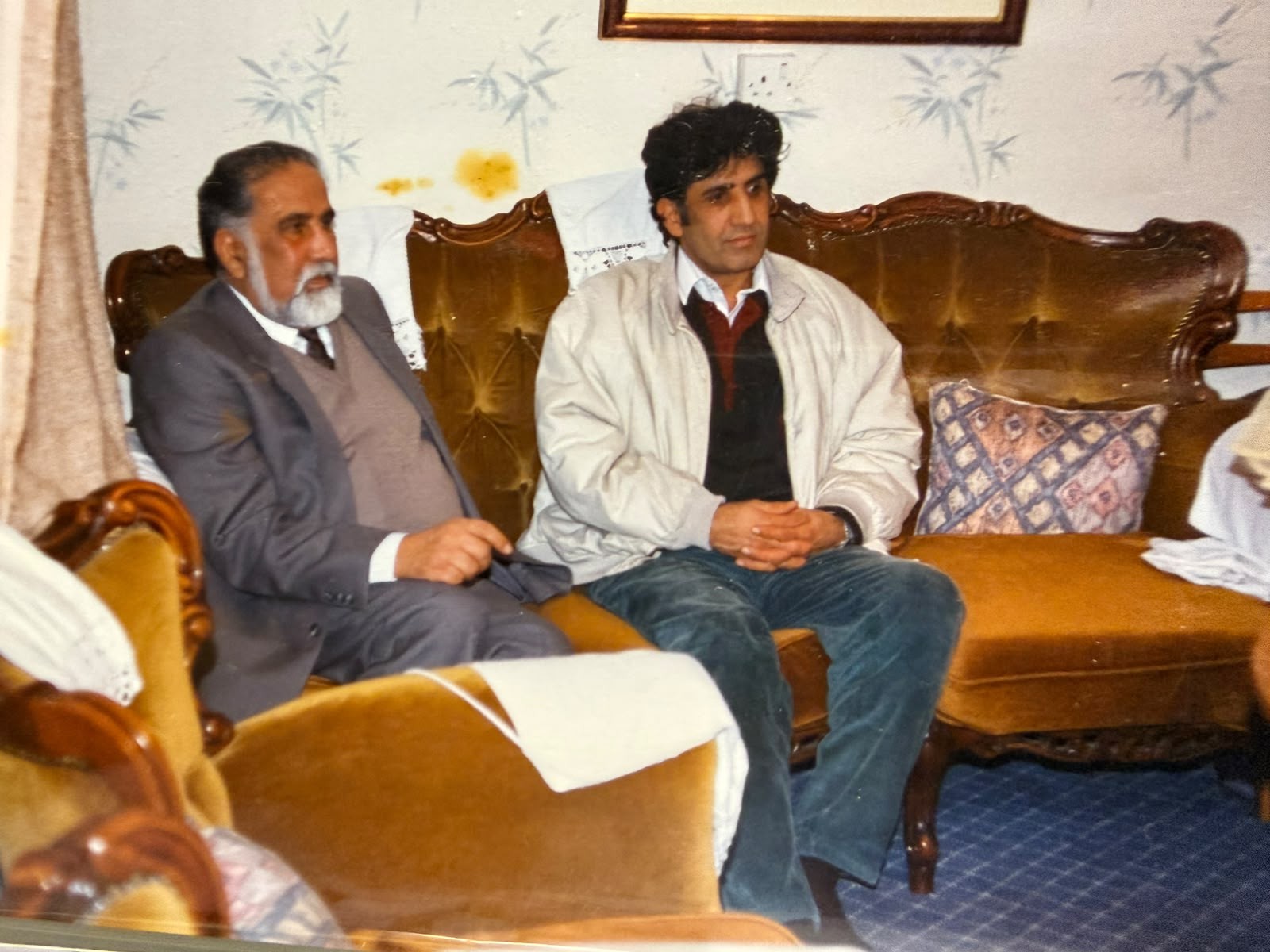
Bhupinder took an apprenticeship at BT — the only job he ever held, by his own account — and stayed with it his entire working life. It was a common enough path in those days, before apprenticeships like his were largely phased out in the years that followed. Across the family, he's remembered as reliable, kind, and honest — a steadiness that ran through everything he did, work included.
Bahadur was mechanically minded from childhood. "I didn't know anything about bicycles, but I would fix them," he says. From there he moved on to motorbikes, then engines and gearboxes, all self-taught. That same instinct carried him onto building sites at sixteen, and later to a spell at a college in Windsor, where he formalised what he'd already picked up on the job. Building became his career from there, and the family still speaks of him as a genuinely excellent builder — capable of extensions, renovations, whatever a house needs — including one he built with his own hands on the family home in England, back in the day. After buying his first home of his own, he taught himself plumbing too, the same way he'd taught himself everything else.
The same hands-on skill made him the family's own mechanic too. Few people around him could afford to take a car to a proper garage, so cars came to him instead. He'd strip gearboxes down, fit new pistons, whatever needed doing. Nirmal once turned to someone for advice on a car he'd just bought, and was simply told to go ask his own nephew instead — Bahadur practically lived at the car scrapyard in those days.
Santokh, by his own admission, drifted longer than his cousins — "I was just going from job to job," he says — until a chance conversation in a pub changed things. He and his friends used to visit the Black Horse pub in Hounslow regularly; sitting there one day, musing that it would be nice to have a pub of their own, they were overheard by its manager, who told them he was being let go and offered them the lease on the spot. Santokh took it, and made a genuine success of running it — the start of a highly successful business career that extended well beyond that first pub.
Nirmal, for his part, spent years working his way through a string of short-term jobs — a bakery, then a wood factory — before landing in the plastic moulding trade that would occupy him for the rest of his working life. The wood factory job didn't come easily. He was set to work cutting timber despite having no training as a carpenter, and struggled to cut it to the angle his supervisor wanted — "I'm not a carpenter," he told the man, "I'd rather just stack the wood." He was told he'd need to be multi-skilled and sent to see the foreman, who, as it turned out, had lived and worked in Bombay for years and had come away from it believing Indian workers just needed time to adjust before they'd get the work right — a belief that, in Nirmal's case, bought him patience rather than punishment. There's a quiet irony in it, too: Nirmal's own father, Chanda Singh, had actually been a carpenter — the one trade Nirmal insisted, that day, wasn't his.
It was in the plastic factory, though, that Nirmal actually earned the nickname that stuck with him. The foreman there was a much rougher character, known to hit workers who made mistakes and quick to sack people over small things. When a tool Nirmal was using broke, he owned up to it straight away, bracing for the same treatment. Instead, the foreman waved it off: "Don't worry, sonny." Word got round, and from then on, the other workers called him "Lucky."
Asked directly how they'd all managed to become so successful against such difficult starting circumstances, none of the five claimed it was easy, or that it happened on any deliberate schedule — just hard work, sustained for years, until each of them got there in the end, on their own terms.
Looking Back
What the family carries forward, in their own words.
What Wasn't Easy to Say
Not every story in this family is a triumph. Some of what follows is harder to tell than the rest, but it belongs here too.
The murder of Santokh's uncle, and the grief it left his mother carrying afterward, is told in Married In: An Island Called Kala Pani.
Loss touched this generation in quieter ways too, though it starts with something more ordinary: how marriages themselves worked. Marriages in this generation of the family were, mostly without exception, arranged — no one saw their spouse before the wedding day, and it wasn't expected that they would. Because the Sandhu family held a substantial amount of land, they were considered a good match, and matches were often suggested by go-betweens in the surrounding villages rather than sought out directly. Tarsem Kaur came to the family this way, put forward as a suitable match and approved by Nirmal's father before the marriage was arranged.
She was not Nirmal's first wife, however. That first marriage happened young, as was common then, and she spent much of it going back and forth between his household and her parents' home, as was customary at the time — until, during one of those stays, she fell ill and died young.
Sarwan lost a first wife too — Gejo, whose fuller story is told in Nami Kaur and the Road to Beas. By Surinder's account, all three of Chanda Singh's surviving sons of that generation, Gurdial included, lost a first wife to illness before remarrying. The details of Gurdial's own first marriage, however, have not survived with the same clarity as those of his brothers'.
And then there was Seeso — Nirmal's own younger sister, one of Chanda Singh and Nami Kaur's four daughters — who developed serious mental health problems as a young woman. By Bahadur's account, it may have followed a bad reaction to medicine she'd been given at the time, though nobody in the family is entirely sure what actually triggered it. In an era with no real understanding of mental illness and no real treatment for it, the family, at their most desperate, resorted to locking her in a room and, at times, chaining her, for her own safety and everyone else's. "She was so strong, she broke the chain," Bahadur remembers. It is not a comfortable story to tell, and the men don't dwell long on it, but they didn't leave it out either.
What Being a Sandhu Means
Ask each of the five men what being a Sandhu actually means, and four of them reach for the same thing: history, and the pride that comes with it. Nirmal goes all the way back to where the name itself began: "Sandhu — Baba Nanak [Guru Nanak, the founder of Sikhism] had two disciples, one was a Sandhu." Surinder puts a number on it — seven or eight hundred years old, the name traced back to Sindh — and calls it, simply, "something to be proud of." Bhupinder agrees in almost the same words: "Very proud of the name. It's a very famous name." Santokh locates that same pride somewhere more specific — in Amritsar, where he believes the family's own roots trace back to the Indian Army. Bahadur answers differently from all four of them: not history, not origin, but the family itself — "very close family, and I'm very proud — cousins, brothers. We can talk to each other any time if we have an issue, and we rely on each other."
Ask what's best about being a Sandhu, and the answers converge on exactly that — family, pride, sticking together. Ask what's worst, and every one of them says the same thing without needing to be asked twice: the temper. It's a rare thing, being able to name your family's worst trait as honestly and quickly as its best, and it says something about this family that all five of them can.
None of what they're proud of came free or easy — every generation paid something for it, one way or another. Arjan risked everything trying his hand at business with no one to teach him and no guarantee it would work. Nami Kaur pushed the family toward the land purchase that would end up defining its whole future, all while rising before everyone else in the house, every single day, to hold that household together. Chanda Singh, raised without love himself, still carried a family of eight surviving children through hardship most of today's Sandhus will never have to imagine. Sarwan lost the skin off his own back levelling ground under the Punjab sun so there'd be something worth farming. Lachman gave up years of closeness with his own sons to get an education nobody in the family had ever had, then became the first to reach England — and helped the rest of the family follow. Nirmal worked seventeen years of twelve-hour nights, seven days a week, saving every spare penny toward a house he wanted waiting for his family before they'd even landed. And that same instinct carried straight through to the men telling this story themselves — Surinder turning one teacher's decision into an education that reached Imperial College London, Bhupinder staying loyal to a single job his entire working life, Bahadur teaching himself a trade from nothing, and Santokh building a real business out of a chance conversation in a pub. The same patience, the same willingness to put in years of unglamorous work long before any of it paid off.
Near the end of the interview, Santokh offered something close to a family motto, the kind of saying that gets passed down through the generations: "If you don't know where you're from, you won't know where you're going."
Surinder put it more directly, addressing whoever might read this one day: "That's the point you must emphasise to the future generations — the sacrifice made by our fathers, and us. It was basically to give them, the future generations, a better life."
One line from earlier in this story is worth returning to here, at the very end — a single, plain sentence that meant almost nothing the first time it was heard, and took years to understand: "I never slept in a cold bed."
Now the family understands exactly what it cost to make that true.